
post-traumatic stress disorder
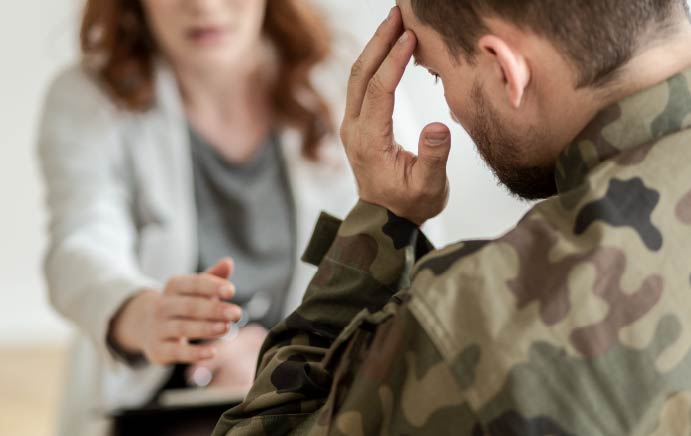
Post-traumatic stress disorder, or PTSD, affects one in 10 Australians at some time in their life.
What is it?
PTSD's prevalence can be as high as 20 per cent in those exposed to trauma through their jobs such as military veterans and emergency workers. It can also be triggered by a serious accident, sexual assault or a feeling of being under threat.
People with PTSD experience feelings of panic or distress similar to those felt during the event itself. Often, they replay the incident in their mind, causing intense emotional and physical reactions such as a raised heartbeat, sweating and a feeling they’re still in danger.
What are the treatments?
First-line treatments include a type of antidepressant called a selective serotonin reuptake inhibitor (SSRI) and therapy, but, for many, these medicines have a limited impact. Recent clinical trials indicate that MDMA-assisted psychotherapy and ketamine might be effective options.
MDMA (commonly known as ecstasy) is a psychoactive drug that causes altered sensations, increasing energy and empathy. It was first identified as a potential treatment for PTSD over 40 years ago. It is now indicated for PTSD in conjunction with psychotherapy when prescribed by a specifically authorised psychiatrist.